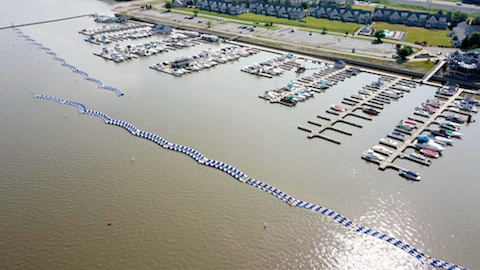
Protect docks and slips
WaveEater lists marina and yacht club installations across the United States, Canada and the Dominican Republic.
A floating breakwater can reduce incoming wave energy before it reaches docks and moored boats. The right model and layout depend on the conditions at your marina.
Marinas can be exposed to wind waves, passing boat traffic and wakes from watersports. WaveEater systems sit between the incoming water and the area being protected.
WaveEater lists marina and yacht club installations across the United States, Canada and the Dominican Republic.
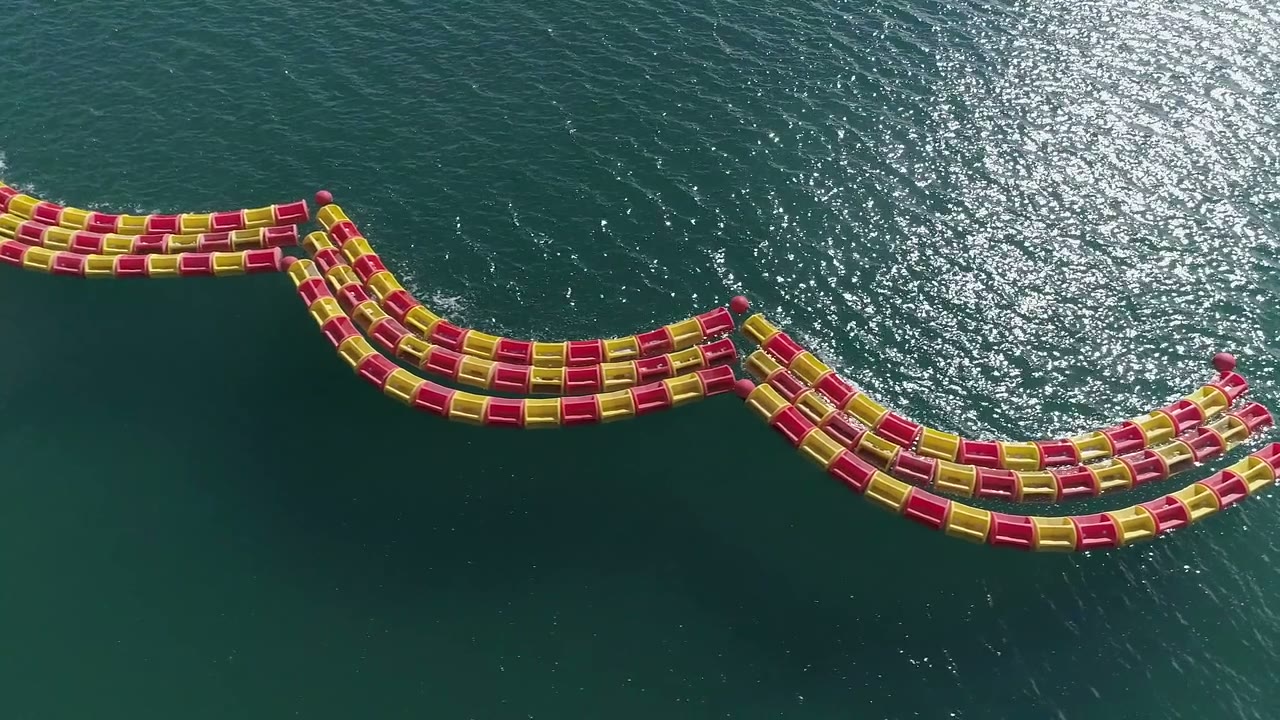
A single line or multiple strings may be considered after wave height, wave length, depth and fetch are reviewed.
Tell us whether the exposure is at slips, a fuel dock, a launch ramp or a shoreline. Include the length of waterfront you need to protect and where it is located.
Record the largest waves you see, their source, the water depth at the proposed line and how much the water level changes. If you know the wave length or fetch, include it. These details affect the model, number of strings and anchoring design.
The online estimate suggests a model and shows a preliminary material cost. WaveEater must review the site and confirm a suitable layout and firm price.
The installation list names marinas and yacht clubs; the video page shows WaveEater at Lake Nighthorse, on the Columbia River and at a Philadelphia shipyard.
View installationsWatch installation videosRead about boat wakes
A recommended layout, the quantities and an estimate, right away. No long form.